Loading...
Serving Watsonville, CA and surrounding areas. (831) 666-1876
Soft boards, corroded hardware, a wobbling railing - Watsonville's coastal air accelerates all of it. We find out what is actually failing and give you a straight answer on whether repair or replacement makes more sense.
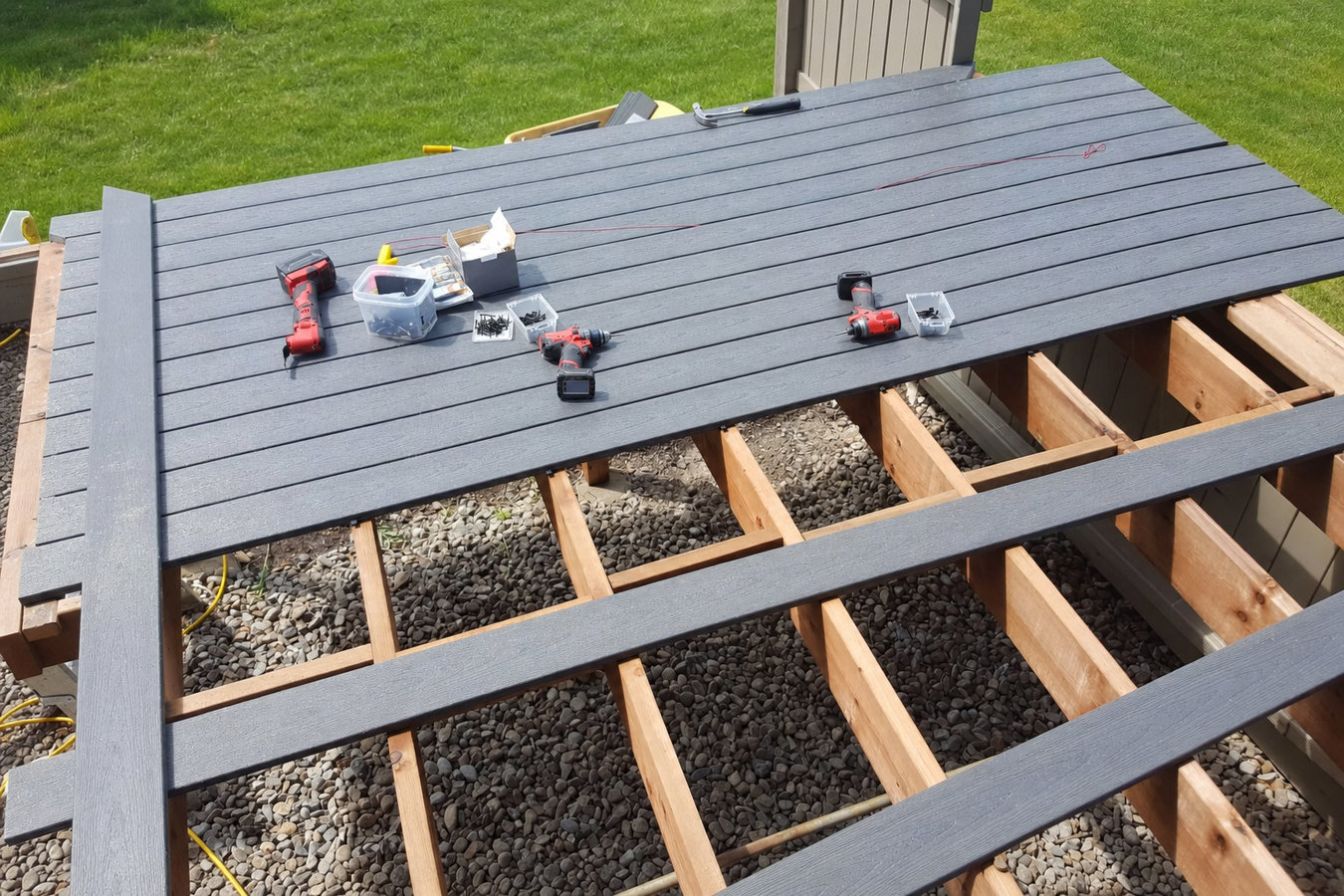
Deck repair and replacement in Watsonville, CA starts with an honest assessment of what is actually failing - most straightforward repairs are completed in one to two days, while full replacements typically take three to five days of active construction once permits are in place.
The answer to repair vs. replace depends almost entirely on what is happening below the surface. If the posts, beams, and ledger board - the parts you cannot see from above - are in good shape, targeted repairs make sense. If the structure underneath is compromised, patching the surface boards is just a short-term fix that delays the inevitable. We probe the wood in areas that are not visible during a normal walkthrough, because hidden rot at the ledger connection is one of the most common causes of deck failure on Watsonville homes. If you are considering new materials for a replacement, our deck staining and sealing page covers what to do after the work is done to protect the investment.
Many Watsonville homes have decks that are 30 to 40 years old - built to standards that are no longer considered adequate for structural connections or waterproofing. If yours falls into that category, it is worth having a contractor look at the hidden framing even if nothing on the surface looks obviously wrong. The framing inspection during a permitted project is one of the real protections available to homeowners - it is a second set of eyes on the structure before it gets covered back up.
If you notice give or bounce in the decking boards - especially near the house or in shaded corners - wood rot has started from the inside out. In Watsonville's coastal climate, this kind of moisture damage can spread faster than expected. A board that feels slightly soft today may be structurally unsafe within a season or two. Do not wait until it breaks through.
Look at the metal connectors, screws, and bolts holding your deck together. If you see orange rust streaks or connectors that look flaky and pitted, the hardware is failing. This is especially common in Watsonville because salt air from Monterey Bay speeds up corrosion on any metal not rated for coastal exposure - and many older decks were built with standard hardware that was not designed for this environment.
Grab your deck railing and give it a firm push. It should feel completely solid. If it moves, flexes, or creaks, the posts or connections holding it have weakened. A railing that fails when someone leans on it is one of the most common causes of deck-related injuries. This repair should happen before your next gathering, not after.
Walk along the edge where your deck connects to your home's exterior wall. If you can see daylight, feel a gap, or notice the flashing has pulled away, water is almost certainly getting behind the wall. Left alone, this leads to rot inside your home's framing - a problem that costs far more to fix than the deck itself. This is one of the most common findings on Watsonville homes with older decks.
We handle the full range - from swapping a handful of rotted surface boards to tearing down a failing structure and building a new deck from the footings up. The starting point on every project is the same: we look at what is actually wrong before we recommend anything. If a few targeted repairs will give you another five to ten years of solid use, that is what we tell you. If the structure underneath has deteriorated to the point where patching does not make financial sense, we walk you through what a replacement involves and what it costs. If the new build is cedar, our cedar wood deck construction page explains that process and material in detail.
For replacements, we handle the complete permit process with the City of Watsonville's Building Division - plan submission, framing inspection, and final inspection. The permit documentation stays on file with your home records, which matters when you sell. We specify materials and hardware appropriate for Watsonville's coastal conditions, because standard materials that work fine in an inland climate often fail in under a decade this close to the bay. The difference in material spec is a real decision, not an upsell.
Best when the deck structure is sound but a handful of surface boards have rotted or cracked and need swapping out.
The right call when the framing underneath is compromised but the overall footprint and layout are worth keeping.
The most cost-effective path when more than a third of the structure is damaged or the deck is more than 20 years old.
Suited to decks where the structure is solid but corroded fasteners, connectors, or a wobbly railing are the primary concern.
Watsonville's location a few miles from Monterey Bay creates conditions that are noticeably harder on outdoor structures than inland California. Salt air corrodes metal hardware faster than homeowners expect. Morning fog keeps wood surfaces damp longer than a drier climate would. Decks built with standard materials and without proper drainage detailing deteriorate faster here than the same deck would in, say, Fresno or Sacramento. Homeowners in Live Oak, CA and other coastal communities in Santa Cruz County deal with the same conditions and have the same need for materials specified for the environment.
The age of Watsonville's housing stock adds a second layer. Many neighborhoods have homes from the 1960s through 1980s with original decks or decks that have never been properly inspected. Decks from that era were often attached to houses without adequate flashing or bolting at the ledger - the single most important connection on the whole structure. A contractor who has worked on these older Watsonville homes knows what to look for and where the problems tend to hide. Homeowners in Freedom, CA with similar older housing stock face the same issues. Catching a failing ledger connection early costs far less than dealing with a full structural failure.
For guidance on deck safety and structural standards, see the Consumer Product Safety Commission and the California Department of Housing and Community Development.
Reach out by phone or online and describe what you are seeing in plain terms. We ask a few questions and reply within one business day to schedule a site visit. You do not need to have all the answers - just describe what you notice.
We come to your property and look at more than the surface - we probe the framing, check the ledger connection, and assess the posts and footings. You get a written estimate that separates labor and materials, so you can see exactly what you are paying for.
For most replacements and structural repairs in Watsonville, we submit a permit application to the City of Watsonville Building Division before work begins. This step typically adds one to three weeks to the timeline. We handle all paperwork - you just need to sign anything that requires the homeowner's signature.
Demolition of an old deck usually takes one day. Framing goes up next and gets a city inspection before boards go down - a second set of eyes confirming the structure is sound. Decking, railings, and stairs follow. A final inspection closes the permit and you walk the finished deck with us.
We give you an honest assessment before recommending anything. Call or submit a request and we respond within one business day.
(831) 666-1876A lot of Watsonville homeowners put off calling a contractor because they fear being pushed toward a full replacement when a repair would do. We give you an honest look at what is actually failing and tell you clearly when repair makes more sense - even if a replacement would cost us more.
We use fasteners, connectors, and lumber rated for the persistent salt air and moisture that Watsonville sees year-round. Standard hardware corrodes faster here than homeowners expect, and we have seen the results on enough older decks to know what not to specify.
We file the permit application, coordinate with the Building Division, and schedule both the framing inspection and the final inspection. You receive fully permitted documentation on file - which protects your home's value when you sell.
Many homes in Watsonville were built in the 1960s through 1980s, and decks from that era have predictable failure points - especially at the ledger board and post bases. We know where to look and what to expect on older structures, so the assessment is thorough rather than surface-level.
Local experience with Watsonville's housing stock and climate means the assessment you get is grounded in what actually fails in this area - not a checklist built for an inland market. That combination is what gives homeowners a confident answer rather than a vague recommendation.
After repair or replacement, proper staining and sealing extends the life of your new deck against Watsonville's coastal moisture.
Learn MoreIf full replacement is the right call, cedar is a natural, coastal-friendly material worth considering for the rebuild.
Learn MoreSpring schedules fill quickly in Santa Cruz County - reach out now to get an honest assessment and an estimate before the busy season starts.